
Consulting
Process analysis, technology roadmaps and solution design. Decisions about software, hardware and infrastructure are considered alongside business needs.
From business needs to technical decisions
An application, device or infrastructure decision is considered in context: its role in the process, connections to other systems and conditions of use.
Analysis begins with a review of how the work is currently carried out. Information sources, process steps and team responsibilities are examined. Recurring tasks and connection needs determine where the solution should focus.
The technology roadmap connects current needs with the steps that follow. Compatibility with existing systems, resource requirements and ongoing management are considered. Software, infrastructure and hardware where needed are assessed within the same solution.

From analysis to solution design
Process review, assessment of technical options and design of the proposed setup. The scope of the work is defined around current needs.
Capabilities
A sector-independent approach to solution design that considers software, infrastructure and business processes together.
Operations Analysis
Reviewing existing business processes and infrastructure; identifying where work slows down and which steps create extra load.
Technology Roadmap
A short- and long-term technology plan: assessing from the start whether a solution will create additional burden down the line.
Solution Design
End-to-end solution design that considers software, infrastructure and, where needed, hardware together; sourcing or developing custom hardware can also be part of the scope.
Technology areas we work in
Consulting work is not tied to a single product. The areas below are assessed together, based on the platforms the organisation uses and what it needs.
- Cloud productivity platforms
- Servers and virtualisation
- Network and firewall
- Database and storage
- Backup and continuity
- Identity and access
- Web and mobile applications
- Automation and integration
The scope of consulting work
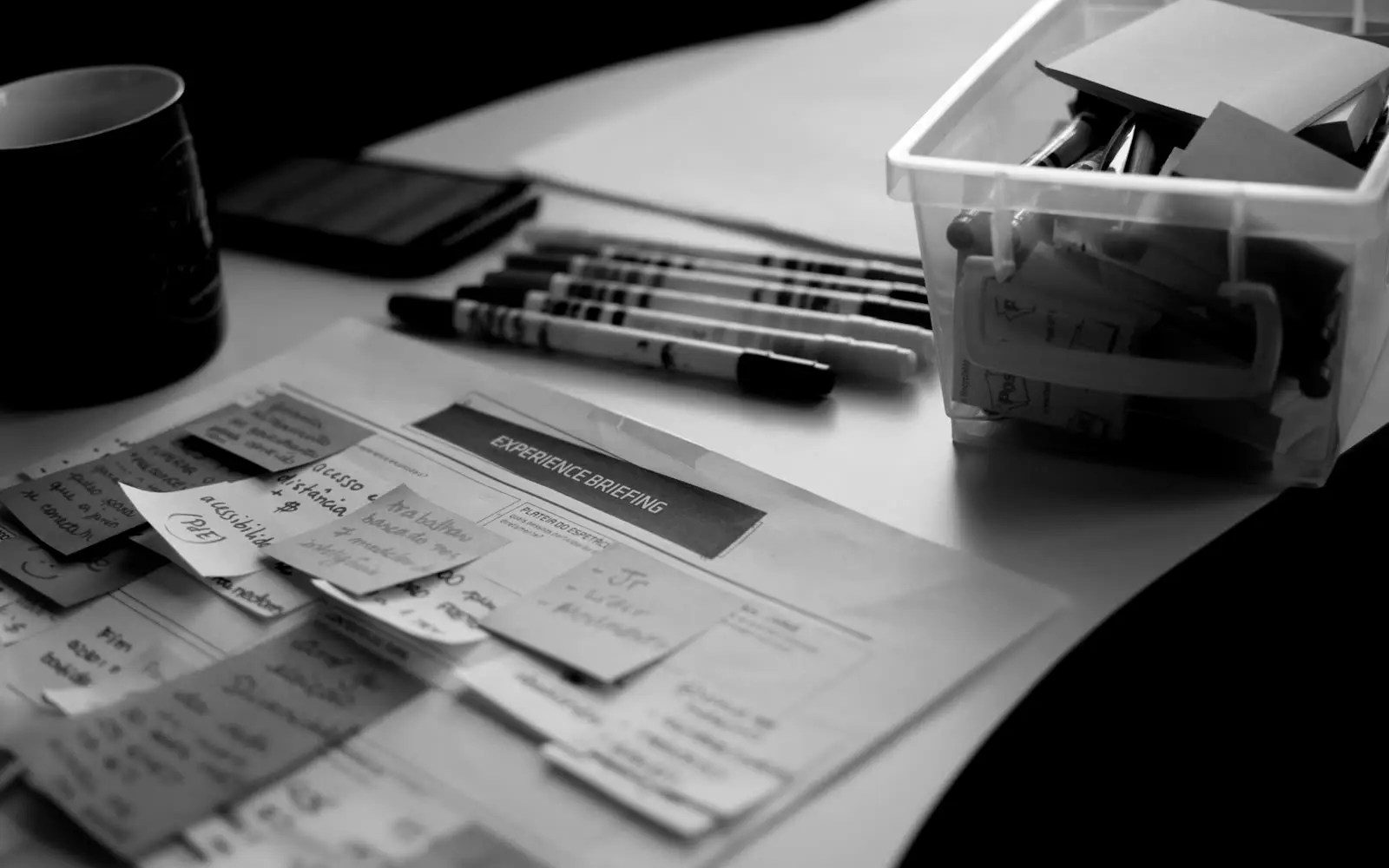
Reviewing current operations
Process steps, systems in use and information exchange between teams are written down, so waiting and repetition become visible.

Identifying repetitive work
Data copied by hand, reports rebuilt every period and person-dependent steps are listed by priority.

Designing approval and information flow
Who sees and approves what at each step, and which steps are automatic or need human approval, are defined together.
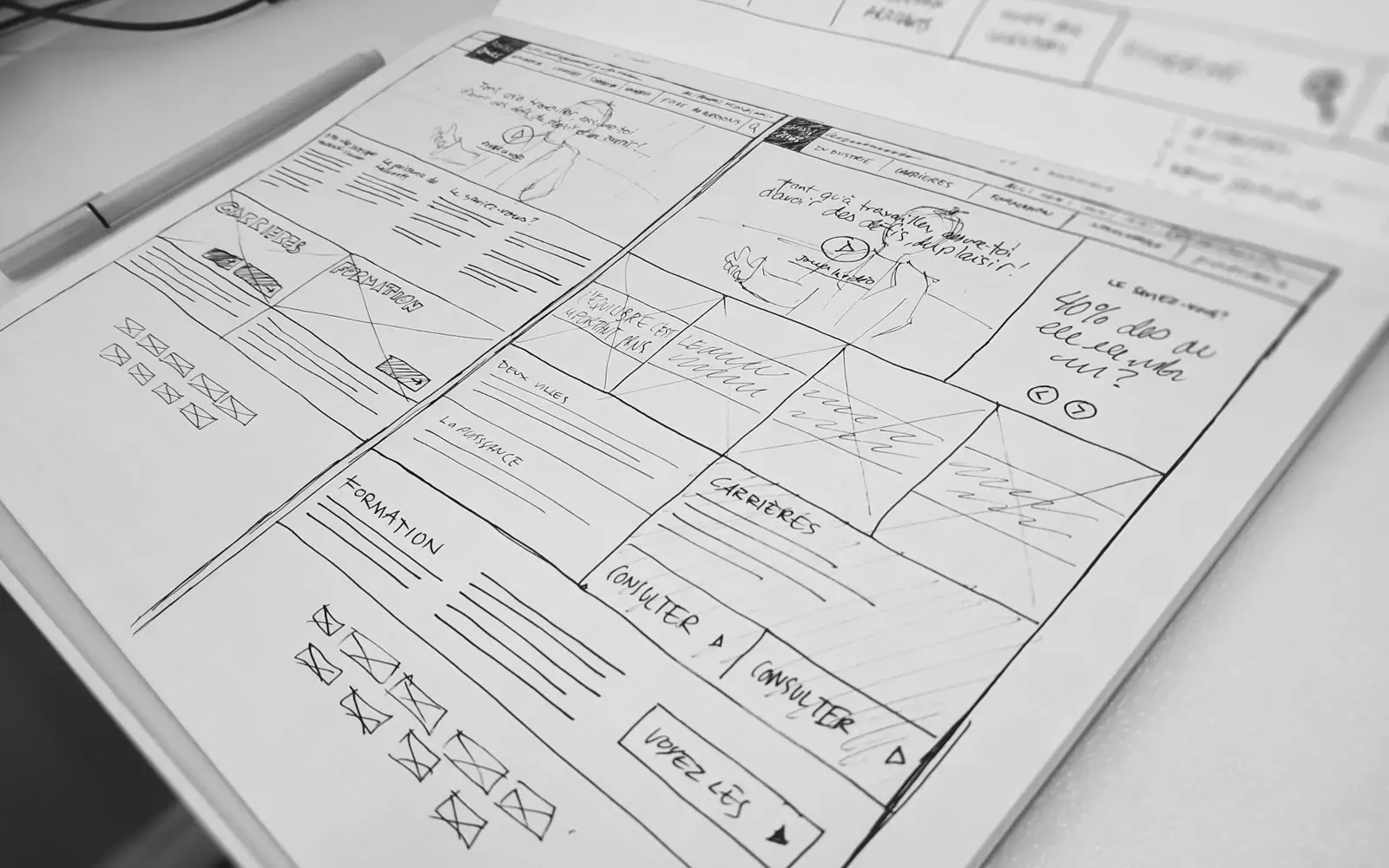
Clarifying the application need
Usage scenarios show whether off-the-shelf software, adaptation or a custom application is needed.
Assessing existing applications
Which need each application meets, which overlap and which are out of support are reviewed.

Preparing for AI use
The order of information sources, access permissions and where data is processed are addressed before choosing a tool.
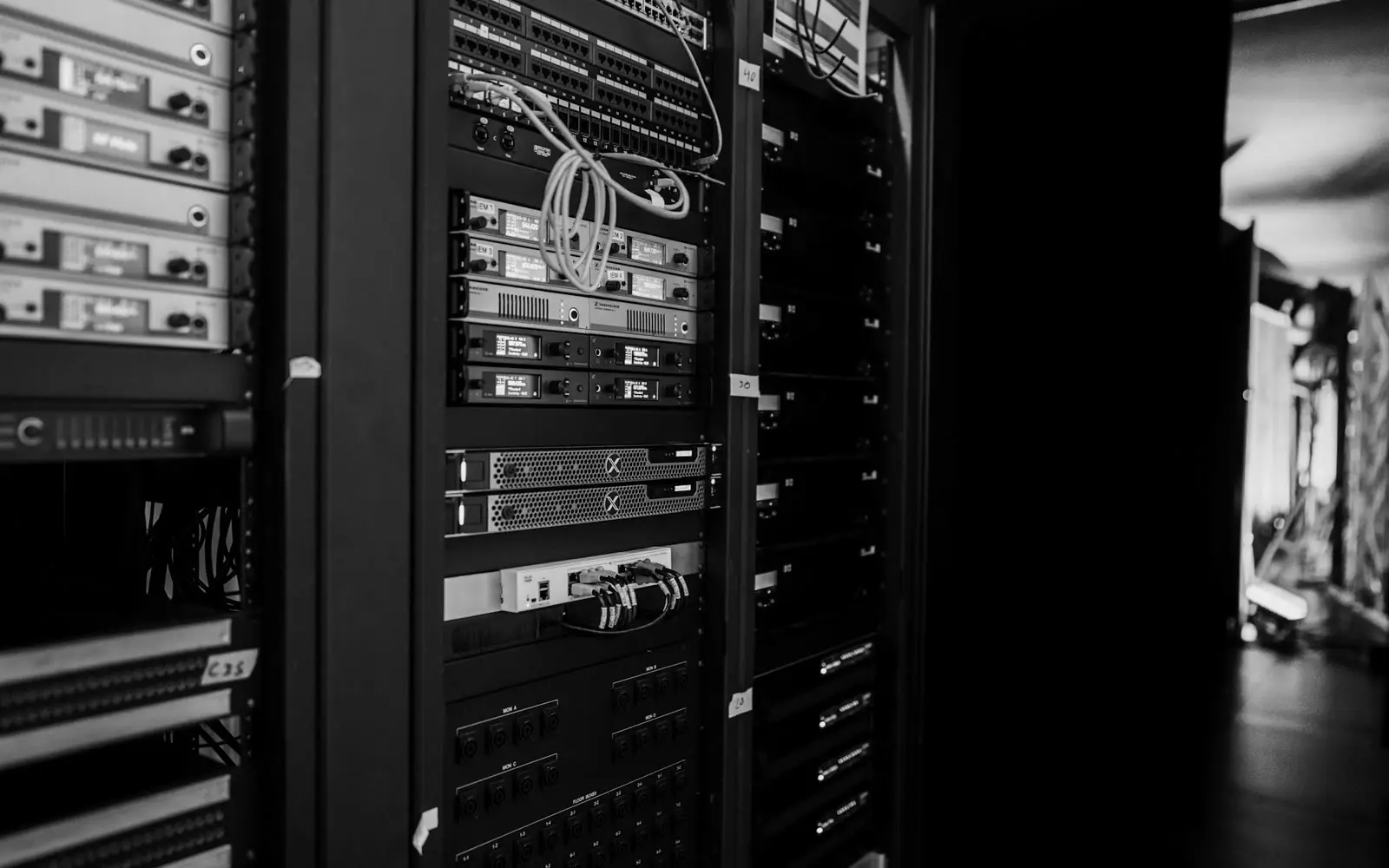
Infrastructure placement
On-premises, cloud or hybrid is assessed for each workload by data location, connectivity and management capacity.
Continuity and backup
Acceptable data loss, recovery time and how backups are tested are planned together.

Access structure
Role-based access, separate administrator accounts and multi-factor authentication are rolled out across the organisation.

A data map across systems
Where each piece of information originates, where it is transferred and where it is copied by hand is shown on one map.

Making dependencies visible
Which applications, devices and teams a change to one system will affect is identified in advance.

Personal data flow
Which channel personal data comes through, where it is kept and who can access it are part of the data map.

The order of decisions
Risk, dependency, impact and capacity are weighed together to decide which step comes first and why.

Arrangements after handover
Support scope, request channel and documents are planned for each step as part of the roadmap.
Scope split into phases
Large pieces of work are split into measurable phases that move forward with feedback from real use.
Initial information about the scope of work
Whether reviewing an existing process or designing a new solution, the starting point is a description of the need. Systems in use, the way work is carried out and the expected outcome frame the initial discussion. The contact form is used to provide a brief summary of this information.
Think
Guides and perspectives on software, infrastructure, security and business processes.
Support
Support scope for delivered solutions, the working process and frequently asked questions.